.svg)
.svg)
Common Problems You May Experience with Wood Sheds and How to Prevent Them
.svg)
.svg)
.svg)
.avif)
Wood sheds are a practical and attractive solution for outdoor storage, but like any outdoor structure, they face unique challenges from weather, pests, and time. Understanding the most common problems that affect wood sheds can help you take proactive steps to protect your investment and ensure your shed remains functional and beautiful for decades. Whether you're considering purchasing a new shed or maintaining an existing one, knowing what to watch for and how to prevent these issues will save you time, money, and frustration in the long run.
1. Moisture Damage and Wood Rot
One of the most significant threats to wood sheds is moisture infiltration. When water penetrates the wood through rain, snow, or ground moisture, it creates an ideal environment for rot to develop. Wood rot not only compromises the structural integrity of your shed but can also spread quickly if left untreated. Common signs include soft or spongy wood, discoloration, and a musty odor.
Prevention starts with proper site preparation. Always build your shed on a level foundation with adequate drainage to prevent water from pooling around the base. Ensure your shed has proper roof overhang and functional gutters to direct water away from the walls. Regular inspections of your shed's exterior can help you catch early signs of moisture damage before they become serious problems.
The choice of building materials makes a substantial difference in moisture resistance. Best Barns uses LP SmartSide engineered wood products that are specifically designed to resist moisture damage. Through LP's proprietary SmartGuard manufacturing process, every strand of wood is treated with resins, waxes, and zinc borate, providing complete protection against moisture that traditional wood siding cannot match. This advanced treatment helps ensure your shed remains dry and structurally sound even in harsh weather conditions.
2. Termite and Insect Infestation

Termites and wood-boring insects pose a serious threat to traditional wood structures. These pests can silently compromise the structural integrity of your shed, often going unnoticed until significant damage has occurred. Termites are particularly problematic in warmer climates, but they can affect sheds in virtually any location. Signs of infestation include hollow-sounding wood, visible tunnels or galleries in the wood, discarded wings near the shed, and small piles of wood-colored droppings.
Preventing insect damage requires both proper treatment and ongoing vigilance. Keep the area around your shed clear of wood debris, mulch, and vegetation that might attract termites or provide them with easy access to your structure. Ensure there's adequate ventilation in your shed to reduce humidity, which attracts many wood-destroying insects. Consider having your shed professionally inspected annually if you live in an area with high termite activity.
The engineered wood products used in Best Barns' LP SmartSide construction offer superior protection against termites and other wood-destroying insects. The zinc borate treatment integrated into every strand of wood during manufacturing acts as a powerful deterrent to termites, making the material naturally resistant to infestation. This built-in protection provides peace of mind without requiring ongoing chemical treatments that traditional wood structures often need.
3. Warping, Splitting, and Structural Deformation
Natural wood has a tendency to warp, split, and deform over time due to temperature fluctuations and moisture changes. These problems affect both the appearance and functionality of your shed. Warped siding can create gaps that allow water infiltration, while split boards can compromise the shed's weather resistance and structural integrity. Doors and windows may become difficult to open or close as the frame shifts, and floor joists can bow or sag under weight.
To minimize warping and splitting, proper construction techniques are essential. Ensure your shed is built with appropriate spacing between boards to allow for natural expansion and contraction. Use quality fasteners designed for outdoor use and avoid over-tightening, which can cause wood to split. Apply a high-quality sealant or paint to all exterior wood surfaces to protect against moisture absorption and UV damage.
Engineered wood products like LP SmartSide offer significant advantages over traditional lumber in this area. The manufacturing process creates a more stable product that resists warping and splitting far better than natural wood. The consistent density and moisture content throughout the material means it expands and contracts more uniformly, reducing the likelihood of structural deformation. Best Barns' commitment to using these premium materials helps ensure your shed maintains its shape and appearance over many years of use.
4. Weather-Related Deterioration
Exposure to the elements takes a continuous toll on wood sheds. UV radiation from sunlight breaks down wood fibers and causes fading, while freeze-thaw cycles can crack and split average wood materials. High winds can loosen siding and roofing materials, compromise fasteners, and even threaten the structural integrity of your shed when multiple components begin to fail. Hail can cause dents and damage to exterior surfaces. Over time, this weather-related wear accumulates and can significantly shorten your shed's lifespan if not properly addressed.
Protection against weather damage begins with quality materials and proper maintenance. Apply UV-resistant finishes to all exposed wood surfaces and reapply them according to manufacturer recommendations. Inspect your shed after severe weather events for loose fasteners, damaged siding, or compromised roofing materials. Trim back any overhanging branches that could fall on your shed during storms, and consider the prevailing wind direction when positioning your shed on your property.
Best Barns addresses weather resistance through a comprehensive material strategy. Our use of LP® SmartSide® products provides exterior protection specifically engineered to withstand harsh conditions, including damage from hail and wind while maintaining integrity through extreme temperature swings. The protective overlay and comprehensive treatment process ensure that the exterior can handle years of sun exposure without the rapid deterioration common with untreated lumber.
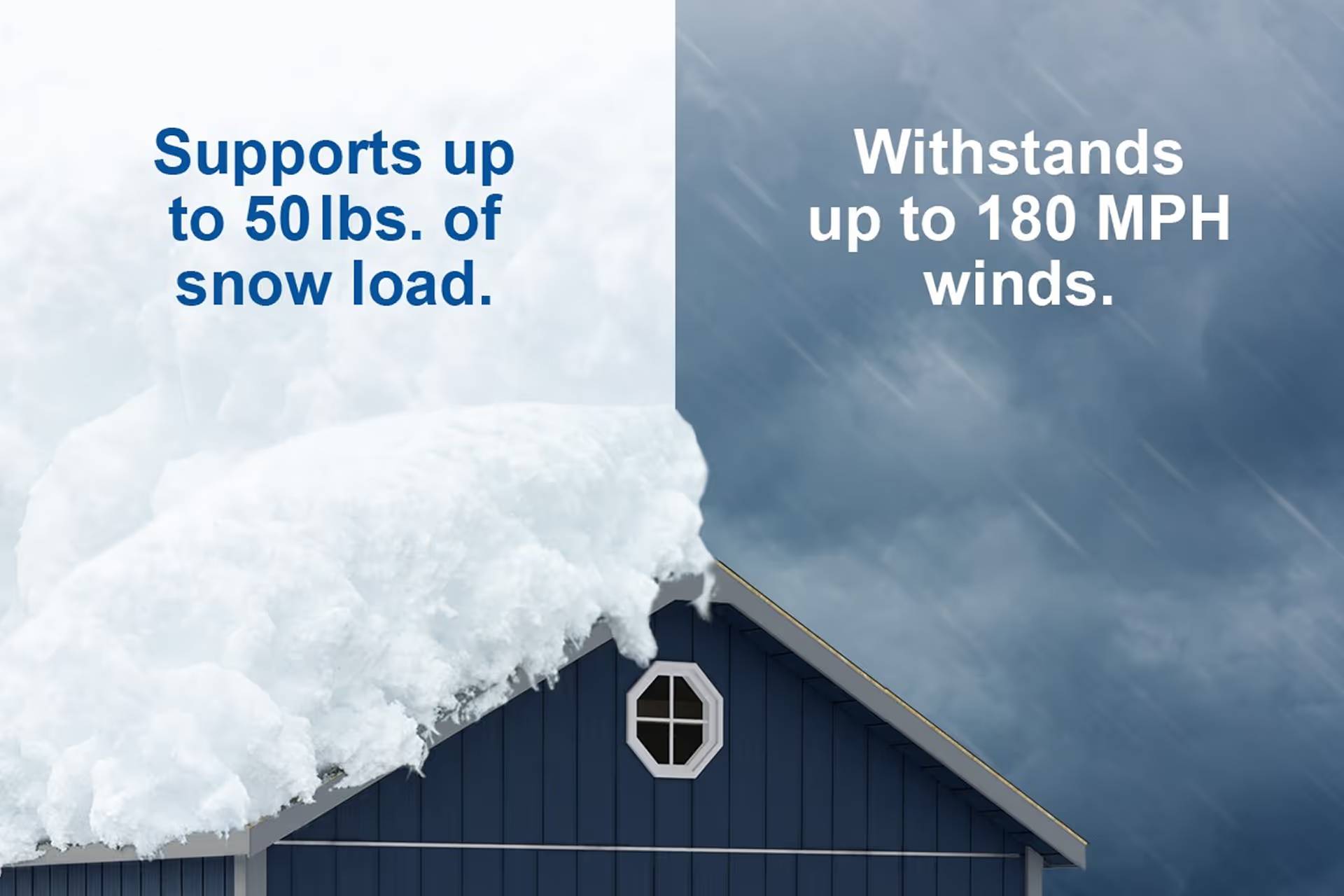
Equally important is the structural system underneath. Best Barns utilizes our proprietary SecureTrussTM System, engineered to withstand up to a 50-pound snow load and winds up to 130 MPH. This robust truss design ensures that even during severe weather events, the structural framework remains secure and multiple components don't loosen or fail, preserving the overall integrity of your shed. Additionally, Best Barns constructs our sheds using TimberPrestigeTM premium imported Eurowood, which offers superior dimensional stability compared to standard lumber. This premium wood resists the splitting and cracking that plague average wood materials when exposed to freeze-thaw cycles and temperature extremes. Combined with the industry-leading 5/50-year limited warranty on LP® SmartSide® materials, you can trust that your shed is built to endure whatever weather comes its way.
5. Foundation Settlement and Floor Problems
Even the best-built shed can develop problems if the foundation is inadequate or deteriorates over time. Foundation settlement causes the shed to become unlevel, leading to doors that won't close properly, gaps in the siding, and stress on the structural frame. Floor joists can rot if exposed to ground moisture, and inadequate support can cause floors to sag or become bouncy. Without a robust flooring system, even minor foundation issues can compromise the entire structure's stability and longevity. These foundation and floor problems can be among the most expensive and difficult issues to fix once they develop.
Proper foundation preparation is critical for long-term shed stability. Choose a foundation type appropriate for your soil conditions and climate, whether that's a concrete slab, concrete piers, or pressure-treated skids on gravel. Ensure the ground is properly leveled and compacted before construction begins. Install a vapor barrier between the ground and your shed's floor system to prevent moisture wicking up into the wood. Regular inspection of your foundation and prompt attention to any settling issues will help prevent minor problems from becoming major structural concerns.
Best Barns addresses foundation and floor durability through our proprietary FortressFloorTM system, a rock-solid flooring solution engineered specifically for long-lasting strength and durability. This comprehensive floor system provides superior structural support that resists sagging and maintains level integrity even under heavy loads. The FortressFloorTM system is designed to work in conjunction with Best Barns' other premium materials, creating a complete structural package from the ground up. When combined with LP® SmartSide® products for exterior trim and siding, and TimberPrestigeTM Eurowood for framing, the result is a shed built on a foundation of quality materials that protect every critical component. The moisture resistance inherent in these premium materials helps ensure that not just the exterior but also the floor system and structural components remain stable and secure for decades to come.
Conclusion
Wood sheds are a valuable addition to any property, but they require thoughtful material selection and proper maintenance to avoid common problems. Moisture damage, insect infestation, warping, weather deterioration, and foundation issues can all significantly impact your shed's longevity and functionality. By understanding these challenges and taking proactive prevention steps, you can ensure your shed serves you well for many years.
The quality of materials used in construction makes an enormous difference in how well your shed withstands these common problems. Best Barns' commitment to using LP SmartSide engineered wood products demonstrates the company's dedication to delivering sheds that are built to last. With superior resistance to moisture, termites, and weather damage, along with enhanced dimensional stability and an industry-leading warranty, these materials provide a level of protection that traditional wood simply cannot match. Whether you're building a new shed or maintaining an existing one, investing in quality materials and regular maintenance will pay dividends in reduced repair costs and a structure that remains functional and attractive for decades to come.

.svg)



.avif)